Mastering SEO Footprint Analysis in 2026

The complimentary route: Open each competitor's top-ranking pages and note the terms they target in titles, headers, and URLs. Every question there is a keyword somebody typed.
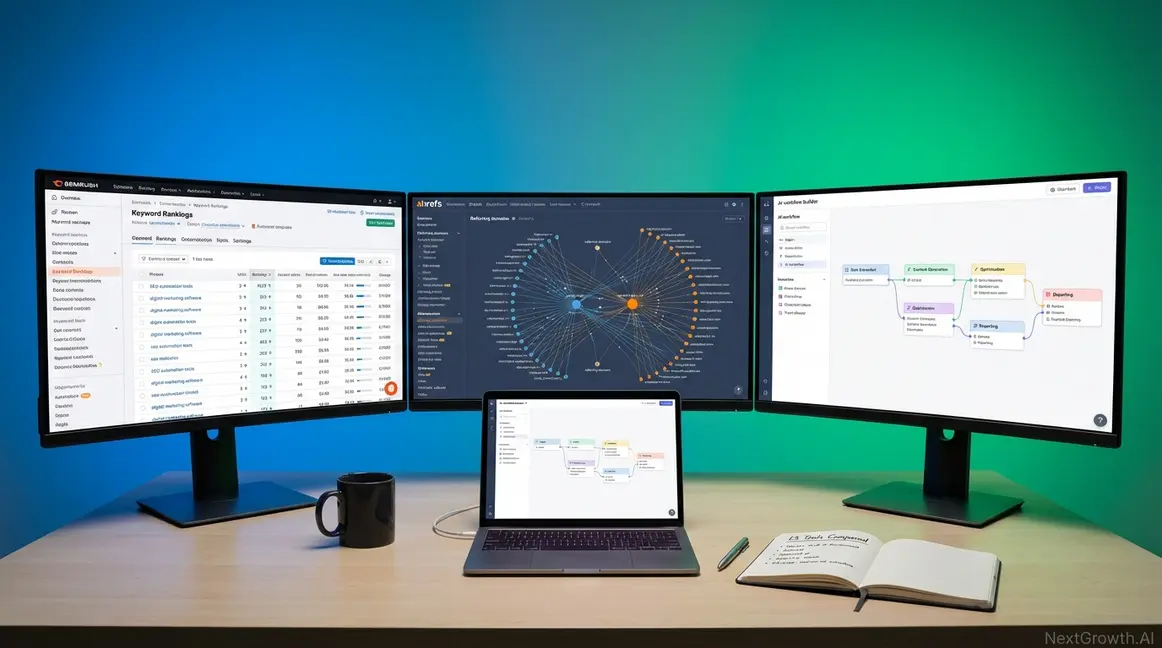
Drop a competitor domain into Semrush, Ahrefs, or SpyFu, and you've got their full organic keyword footprint in one export, positions and volumes consisted of. If you're still choosing in between tools, the breakdown covers how they compare on database size, trouble scoring, and space protection. Run this throughout every rival you named.
Once you have every rival's keyword export, the analysis is an arranging task. Overlay your own ranking information versus theirs and drop every keyword into one of 3 buckets. BucketWhat it meansWhy it mattersMissingCompetitors rank, you do not appearThe biggest opportunityWeakYou both rank, but they sit above youA grip to protect and improveSharedYou rank at roughly equal positionsLow top priority, already competitiveDo this across two or more competitors simultaneously.
Asia Virtual Solutions YouTube2 questions drive the output: where do multiple competitors rank while you're missing, and where are you stuck on page 2 behind one beatable competitor? The first is material you have not written.
Boosting SEO Efficiency with Technical Project Analysis
SpyFu is the budget plan entry point, developed to appear competitor keyword portfolios, ad spend history, and historic ranking data. Larger keyword databases, devoted gap-analysis views, and a rate tag to match, well above SpyFu.
You'll never ever see a rival's data in there. Semrush, Ahrefs, and SpyFu all provide restricted gain access to, enough to run through the space workflow before dedicating.
Traffic for traffic's sake is noise. Skip terms your domain can't compete for. Enough demand to call for the compose. Closer to a buying decision beats vanity volume each time. Stop dealing with keywords as one-off targets. Group associated gaps into subject clusters, develop the pillar first, then complete the supporting posts around it.
The supporting posts catch the long tail and pass link equity back up to anchor it. Your keyword space doesn't stop at the blue links. A keyword space on Google is a missing organic ranking. An AI citation gap is a missing out on reference inside the response ChatGPT, Perplexity, or Google AI Overviews produces for that exact same inquiry.
Maximizing SEO Efficiency with Technical Project Analysis
The 2 overlap greatly. A found that 94% of keywords showing a Google AI Introduction had at least one citation overlapping the leading 20 organic outcomes. Strong natural rankings feed AI citations, so your natural space list is a solid beginning point for your citation gap list. They're not identical.
Asia Virtual Solutions YouTubeOr make the citation without ranking initially. The surface areas belong, not interchangeable. When a rival makes the citation for a cluster you're missing out on, the gap compounds. They gather the natural click and the AI reference. You collect neither. Run your space analysis against both surfaces, and set it with a prepare for, surpassing the blue links.
Rivals release new content, algorithms shift, and fresh domains break into your SERPs. In a fast-moving specific niche where rankings churn week to week, go weekly. The same cadence applies to AI search: together with organic positions offers you the complete photo.
Advanced Project Building and Efficiency
Your rankings slipping on shared keywords a rival simply enhanced. Brand-new domains entering your leading 10 that weren't there last month. A light-weight system beats an intricate one you abandon. One spreadsheet, your top priority keywords, each rival's position, updated on your cadence. Flag any row that moved more than a couple of spots.

Whatever above works by hand. It also takes hours per competitor, and the entire thing goes stagnant the moment you close the spreadsheet. I constructed Maintouch to run this loop constantly. Exclusive spiders track competitor rankings around the clock, surface your missing out on and weak keywords against every rival simultaneously, and feed those spaces directly into a ranked material calendar.
The space analysis stops being a quarterly audit and becomes a standing input to what gets written next. The totally free AI presence tool tracks 35 prompts across ChatGPT, Google Gemini, Google AI Overviews, Perplexity, and Claude for a full year at no expense, so you can see which citations your rivals are earning while you're missing.